When most people think about fire safety, they immediately picture fire alarms, smoke detectors, fire extinguishers or sprinkler systems. These are all essential components of a comprehensive fire strategy, but they represent only part of the picture.
Some of the most important fire safety measures within any building are the ones occupants rarely notice. Hidden behind walls, above ceilings and built into the fabric of the structure itself are systems designed to slow the spread of fire and smoke, protect escape routes and provide valuable time for evacuation.
Collectively, these measures are known as Passive Fire Protection.
Whilst active systems are designed to detect, alert or suppress a fire, Passive Fire Protection works continuously in the background. It requires no activation and no human intervention. Its sole purpose is to contain a fire, limit its spread and protect both people and property when an incident occurs.
For building owners, facilities managers and duty holders, understanding the importance of Passive Fire Protection is becoming increasingly critical as fire safety legislation continues to evolve and scrutiny around building compliance grows.
What Is Passive Fire Protection?
Passive Fire Protection refers to a range of fire-resistant construction methods and products that are incorporated into a building to prevent the spread of fire and smoke.
Rather than extinguishing a fire, these measures are designed to compartmentalise it, restricting its movement from one area of a building to another.
This approach helps to protect occupants by maintaining viable escape routes and reducing the likelihood of rapid fire spread throughout a premises.
Examples of Passive Fire Protection measures include fire stopping, compartmentation, fire doors, fire-resistant walls, floors, ceilings and specialist fire-resistant coatings.
Whilst these elements may appear unrelated, they work together to create a coordinated system of protection that supports the overall fire strategy of the building.
Why Compartmentation Matters
One of the most important principles of modern fire safety design is compartmentation.
A building is typically divided into separate fire-resistant compartments using walls, floors and doors that have been specifically designed to resist fire for a defined period of time.
The objective is straightforward. If a fire starts in one compartment, it should remain within that area long enough for occupants to evacuate safely and for emergency services to respond.
Without effective compartmentation, fire and smoke can spread rapidly throughout a building, significantly increasing the risks to life and property.
Many people assume that compartment walls are permanent and self-maintaining. However, the reality is that these barriers are regularly compromised during the life of a building.
Electrical installations, IT upgrades, plumbing works and maintenance projects often require contractors to create new penetrations through walls and floors. Unless these openings are appropriately sealed using approved fire stopping methods, the integrity of the compartment may be lost entirely.
This means that even a relatively small gap around a cable or pipe could create a pathway for fire and smoke to spread beyond its intended area.
The Critical Role of Fire Stopping
Fire stopping is one of the most commonly discussed aspects of Passive Fire Protection, yet it is also one of the most frequently misunderstood.
In simple terms, fire stopping involves sealing openings and penetrations within fire-resistant walls and floors using tested systems that maintain the fire rating of the construction.
These openings may have been created to accommodate electrical cables, pipework, ventilation systems or data infrastructure.
Without suitable fire stopping, the effectiveness of an entire compartment can be significantly reduced.
During surveys and inspections, it is not uncommon to discover penetrations that have been filled with unsuitable materials or left completely unsealed following maintenance works. In many cases, these issues have developed over a number of years as different contractors have undertaken work without fully considering the fire implications.
Whilst these defects may appear minor, they can have a major impact on a building’s ability to contain a fire.
Fire Doors: More Than Just Doors
Few elements of Passive Fire Protection are as visible as fire doors.
Despite this, they are often among the most neglected.
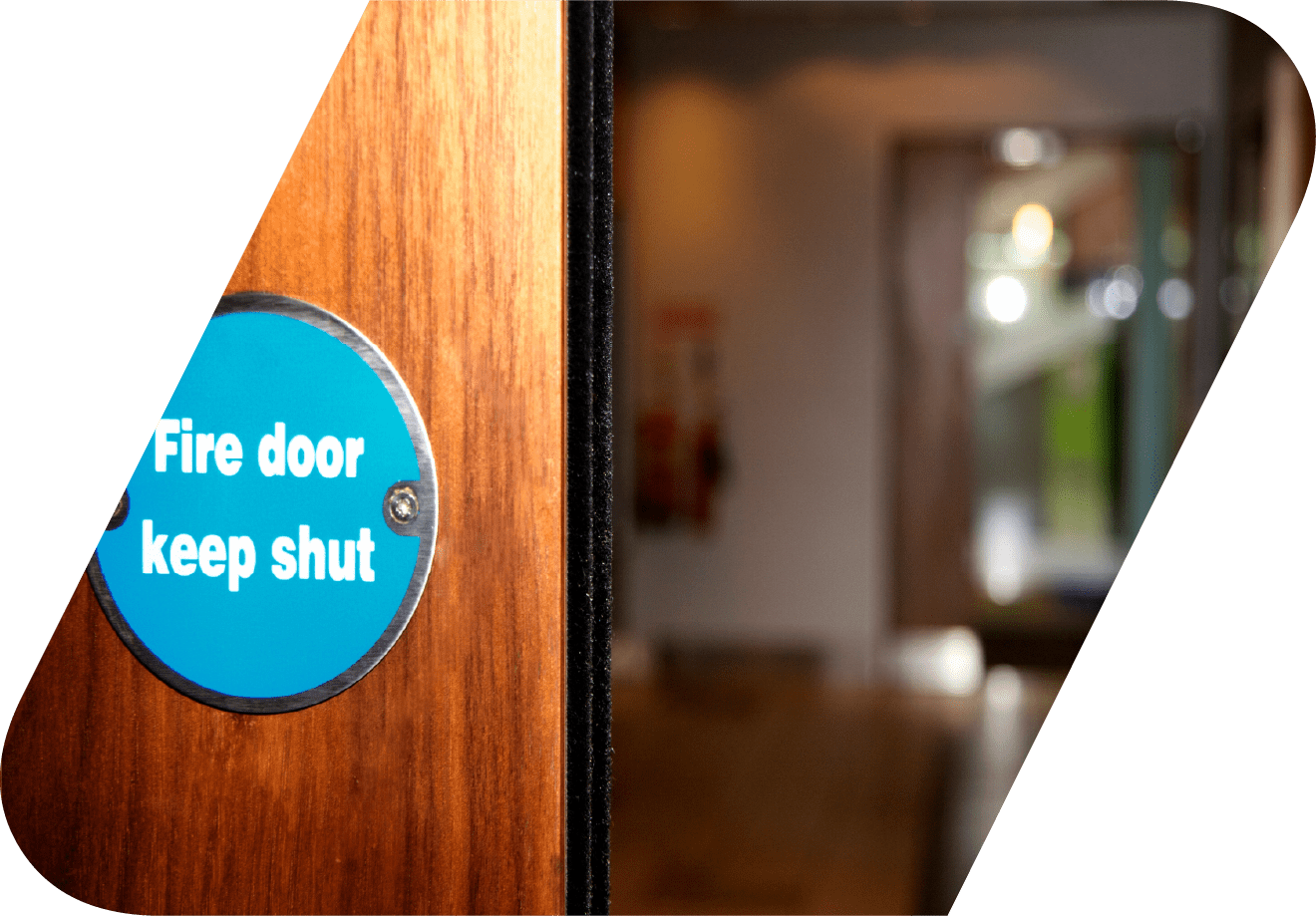
A properly functioning fire door is designed to resist fire and smoke for a specified period, helping to protect escape routes and maintain compartmentation throughout a building.
However, a fire door can only perform as intended if it has been correctly installed, maintained and inspected.
Common issues include damaged seals, missing self-closing devices, excessive gaps around the door leaf and unauthorised modifications.
What makes these defects particularly concerning is that they often develop gradually through normal use. A door that has been propped open for convenience or adjusted incorrectly during maintenance may no longer provide the level of protection originally intended.
Regular fire door inspections play an important role in identifying these issues before they become significant compliance concerns.
Why Passive Fire Protection Is Receiving Increased Attention
In recent years, there has been a much greater focus on building safety and fire compliance throughout the UK.
As a result, organisations are increasingly expected to demonstrate that their Passive Fire Protection measures are being actively managed and maintained.
This has led to greater emphasis on activities such as compartmentation surveys, fire door inspections and ongoing maintenance programmes.
Regulators are no longer simply interested in whether protective measures exist. They want assurance that those measures remain effective and continue to perform their intended function throughout the life of the building.
For facilities managers, this means adopting a proactive approach to inspection, maintenance and record keeping.
Common Passive Fire Protection Failures
Many buildings contain hidden deficiencies that are not immediately obvious during routine occupation.
One of the most frequent issues identified during surveys is damaged or missing fire stopping around service penetrations. This is particularly common in older buildings that have undergone multiple refurbishment projects over time.
Defective fire doors also feature heavily within inspection reports. In many cases, a door may appear perfectly acceptable to an untrained eye whilst failing to meet required performance standards.
Breaches within compartmentation systems are another recurring concern. Even small gaps above suspended ceilings or within service risers can significantly reduce the effectiveness of a building’s fire strategy.
The challenge is that these issues are often hidden from view, making specialist surveys and inspections essential.
The Business Case for Investing in Passive Fire Protection
Whilst compliance is often the primary driver for investment, the benefits of effective Passive Fire Protection extend far beyond meeting legal obligations.
A well-maintained system helps to protect people, minimise disruption and reduce potential property damage in the event of a fire.
For many organisations, business continuity is a significant consideration. A serious fire can result in lengthy closures, operational disruption and substantial financial losses.
By slowing the spread of fire and smoke, effective Passive Fire Protection can significantly reduce the scale of damage and improve recovery times following an incident.
It also demonstrates a commitment to responsible building management, providing reassurance to occupants, clients, insurers and regulators alike.
Taking a Proactive Approach
The most effective fire safety strategies recognise that Passive Fire Protection is not a one-time installation. Like any critical safety measure, it requires ongoing attention and management.
Regular inspections, documented maintenance and periodic surveys help ensure that systems remain effective as buildings evolve and operational requirements change.
Many compliance issues associated with Passive Fire Protection are entirely preventable when identified early. The challenge lies in recognising problems before they compromise the integrity of the building’s fire strategy.
By taking a proactive approach, organisations can improve safety, strengthen compliance and gain greater confidence that their buildings are prepared should a fire occur.
At EA-RS, we support organisations across the UK with Passive Fire Protection services, including fire stopping, compartmentation surveys, fire door inspections and remedial works. Our specialists help clients identify hidden risks, maintain compliance and create safer environments for everyone who uses their buildings.